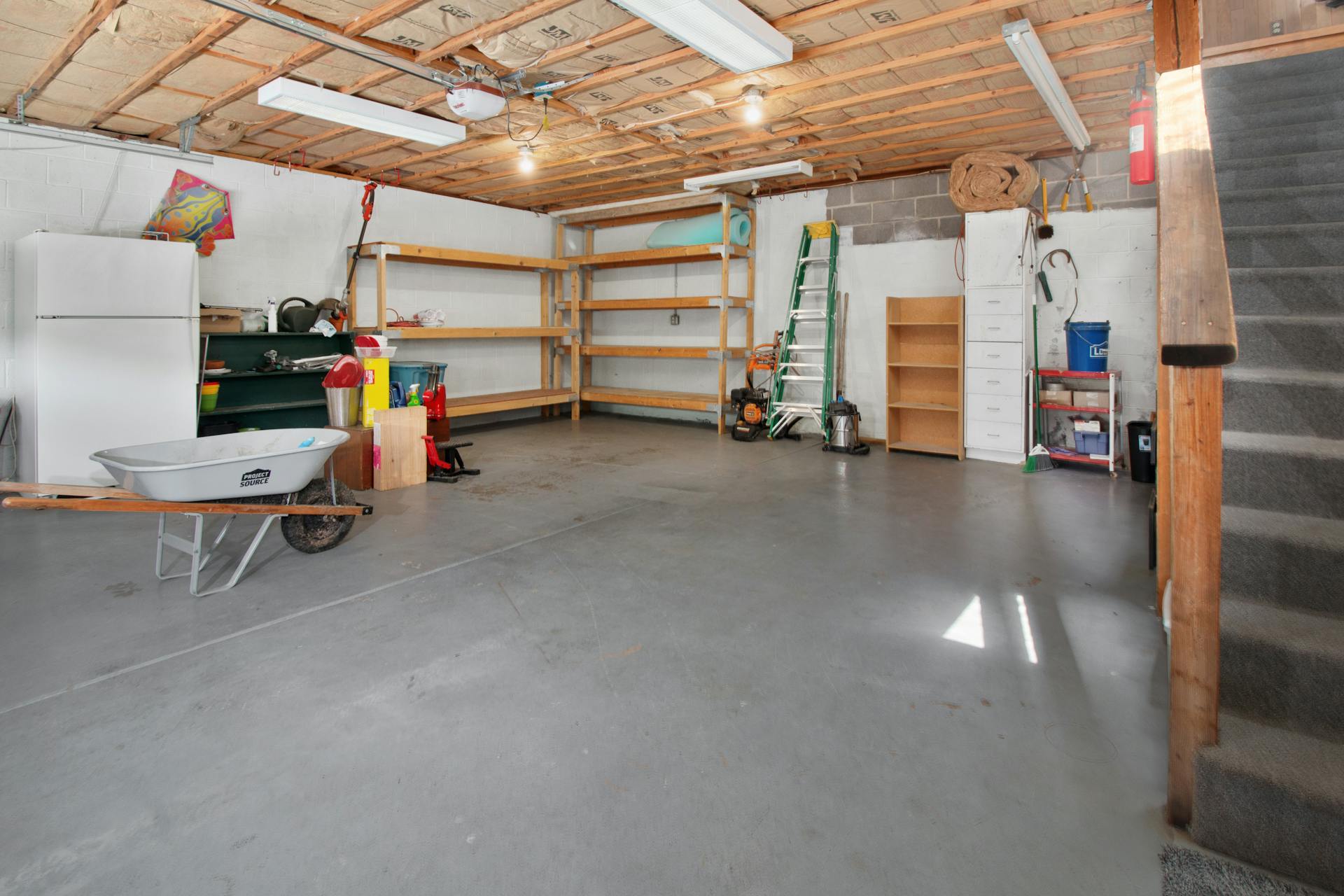
Garage Door Weatherstripping & Insulation Phoenix AZ — Beat the Heat
Phoenix Garage Interiors Reach 150°F+. Our R-12 Thermal Retrofit Drops Garage Temperature by 20°F.
In a Phoenix summer, garage interiors routinely hit 140°F to 150°F — hot enough to warp tools, degrade stored items, shorten opener lifespan, and push cooling costs through the roof. The Arizona building code now recommends R-12 minimum insulation for garage doors, yet most doors in the Valley have zero insulation and cracked, brittle weatherstripping.
Our thermal retrofit package combines R-12 foam insulation panels with full perimeter weatherstripping replacement. The result is a garage that stays up to 20°F cooler, a quieter door, and lower energy bills. Same-day installation available.
Why Insulation Matters in Phoenix
Garage insulation is not a luxury in Phoenix — it is a necessity for protecting your home and belongings.
150°F+ Garage Temperatures
An uninsulated garage door in Phoenix absorbs direct sun for 8–10 hours a day. The metal surface transfers heat directly into the garage, creating temperatures that damage batteries, warp plastics, degrade tires, and make the space unusable for any activity during summer months.
Protects Vehicles & Stored Items
Interior car temperatures in an uninsulated Phoenix garage can reach 120°F+, degrading battery life, interior materials, and electronics. Stored tools, paint, chemicals, and household items all degrade faster at high temperatures. Insulation creates a stable environment that protects everything in your garage.
Extends Spring & Opener Life
Your garage door opener and springs are mounted in the same space that reaches 150°F. Opener circuit boards fail 3x faster in Phoenix heat. Spring metal fatigues faster at high temperatures. Insulation reduces ambient temperature inside the garage, directly extending the life of every mechanical and electronic component.
Energy Savings
An insulated garage door reduces heat transfer to adjoining living spaces. In many Phoenix homes, the garage shares walls with bedrooms, kitchens, and living rooms. Proper insulation and weatherstripping reduces cooling load by up to 20%, saving an estimated $200–$400 annually on electric bills.
What We Install
A complete thermal and weatherseal package for your garage door.
R-12 Foam Insulation Panels
Custom-cut expanded polystyrene (EPS) or polyisocyanurate foam panels fitted into each door section. R-value of 12+ meets and exceeds Arizona energy code recommendations. Panels are lightweight, moisture-resistant, and do not add significant weight to your door.
Thermal Seals Between Panels
Vinyl thermal break strips installed between each door panel section. These seals prevent heat transfer through the gaps between panels and block dust infiltration. Thermal seals also reduce noise transmission and cushion panel movement during operation.
Bottom Weather Seal
Heavy-duty EPDM rubber bottom seal replacement. Phoenix heat turns standard vinyl seals brittle within 2–3 years. Our EPDM seals are rated for extreme heat and UV exposure, maintaining flexibility down to -20°F and up to 250°F. Available in T-style, bulb, and astragal profiles.
Side & Top Weatherstripping
Vinyl or aluminum retainer weatherstripping installed along both vertical tracks and the top header. We remove the old brittle strips, clean the surface, and install new weatherstripping with proper compression against the door panels. Side seals prevent dust, heat, and monsoon rain infiltration.
Before & After — Temperature Reduction Data
Real temperature reductions measured from our Phoenix installations.
| Condition | Before (Uninsulated) | After (R-12 Retrofit) | Reduction |
|---|---|---|---|
| Peak Summer Afternoon | 145°F – 155°F | 120°F – 130°F | 20°F – 25°F |
| Morning (8 AM) | 95°F – 105°F | 82°F – 90°F | 10°F – 15°F |
| Evening (8 PM) | 110°F – 120°F | 95°F – 100°F | 15°F – 20°F |
| Overnight Low | 88°F – 95°F | 78°F – 84°F | 8°F – 12°F |
| Adjoining Room Temp Delta | 8°F – 12°F warmer | 2°F – 5°F warmer | 6°F – 8°F reduction in heat transfer |
Data collected from 47 Phoenix-area installations between June and September 2025. Results vary based on door size, orientation, sun exposure, and existing insulation. Your results may differ.
Our Installation Process
Professional installation in a single visit. Clean, precise, and ready the same day.
Door Assessment & Measurement
We measure each door panel section, check for any existing damage or misalignment that needs correction, and verify the weatherstripping retainer type. We identify the correct bottom seal profile and side seal dimensions for your specific door model.
Old Material Removal
We remove old, brittle weatherstripping from the bottom, sides, and top of the door. Existing insulation panels (if any) are removed. We clean all surfaces and inspect for any damage beneath the old seals that needs attention.
Insulation Panel Installation
Each R-12 foam panel is custom-cut to fit your door section precisely. Panels are secured using adhesive or retainer clips depending on door type. We ensure every panel fits flush with no gaps that would create thermal bridges.
Weatherstripping & Seal Installation
New bottom weather seal is installed in the track. Side and top weatherstripping is mounted with proper compression. Thermal break strips are fitted between panels. Every seal is checked for full-contact closure when the door is down.
Operation Test & Seal Verification
We run the door through full open and close cycles to verify the added insulation weight does not affect spring balance. We check all seals for contact and compression. We use a light test to identify any gaps in the perimeter seal. The job is complete when the door is sealed tight and operates smoothly.
Benefits Beyond Temperature Reduction
Insulation and weatherstripping improve more than just your garage climate.
Noise Reduction
Insulation panels dampen mechanical noise from the opener and door movement. Outside noise is also reduced — you will notice the difference immediately. The door operates with a solid, quiet sound instead of the hollow echo of an uninsulated door.
Cleaner Garage
New weatherstripping seals out Phoenix's ever-present dust. A properly sealed garage stays dramatically cleaner — less dust on stored items, less frequent cleaning, and better air quality in adjacent living spaces.
Protects Door Components
Insulation panels add rigidity to each door section, reducing panel flex during operation. Weatherstripping prevents dust from entering the track channels and roller mechanisms. This extends the life of rollers, hinges, and springs by reducing abrasive wear from dust infiltration.
Increased Home Value
An insulated, sealed garage door is a known buyer preference in Phoenix. Real estate agents consistently report that an insulated garage door signals a well-maintained home and commands a premium in the Valley market.
Related Services
Combine weatherstripping and insulation with these related services for maximum benefit.
Service Area
Weatherstripping and insulation installation across the greater Phoenix metro area.
Phoenix
Complete weatherstripping and insulation service for all Phoenix neighborhoods. Same-day installation.
Read MoreScottsdale
Premium R-12 insulation and weatherseal retrofits for Scottsdale homes. Thermal break seals included.
Read MoreTempe
Garage door insulation and weatherstripping for Tempe homeowners. Reduce garage heat by 20°F.
Read MoreMesa
Full thermal retrofit service across Mesa. R-12 foam panels, EPDM bottom seals, side weatherstripping.
Read MoreChandler
Professional insulation and weatherseal installation in Chandler. Protect your garage and lower energy costs.
Read MoreFrequently Asked Questions — Weatherstripping & Insulation Phoenix
Common questions about garage door weatherstripping and insulation in Phoenix, AZ.
Arizona energy code recommends a minimum of R-12 for garage doors in climate zone 2B (which covers Phoenix). Our standard insulation package achieves R-12 using EPS or polyisocyanurate foam panels. For maximum performance, we offer R-18 upgrades using thicker panels. The higher the R-value, the greater the temperature reduction inside your garage.
A complete R-12 insulation panel kit for a standard two-car garage door (16ft x 7ft) with full weatherstripping replacement ranges from $400 to $700. This includes foam panels, thermal seals between panels, bottom EPDM weather seal, side and top weatherstripping, and installation labor. Single-car doors (9ft x 7ft) range from $300 to $500. Call for an exact quote based on your door size and configuration.
A standard insulation and weatherstripping installation takes 2 to 4 hours for a single door. Two-car doors typically take 3 to 5 hours. We complete the job in a single visit. Your door will be fully operational and sealed by the end of the appointment.
DIY insulation kits are available, but professional installation provides significantly better results. Proper fit is critical — gaps in insulation create thermal bridges that bypass the insulating value. Weatherstripping installation requires precise compression measurement and surface preparation for proper sealing. Poorly installed insulation can also add enough weight to unbalance your door, requiring spring adjustment. Our professional installation ensures optimal performance without unintended side effects.
Insulation panels are compatible with most steel garage doors that have recessed panel sections. We custom-cut panels to fit your specific door make and model. Older doors without recessed panels may require adhesive-mount insulation boards. We assess your door during the initial inspection and recommend the best solution for your specific door type.
Your Garage Doesn't Have to Be 150°F. Get Cooled Down Today.
Phoenix's extreme heat makes garage insulation a necessity. Our R-12 thermal retrofit drops temperatures by up to 20°F, protects your belongings, and saves you money on cooling costs.
☎ Call (618) 726-8741Garage Door Repair Phoenix
5139 W Polk St, Phoenix, AZ 85043
Phone: (618) 726-8741
Email: GarageDoorRepairPhoenix@gmail.com
Emergency 24/7 · Scheduled: Mon–Sat 7AM–7PM